
Guns of Glory: Survival
KingsGroup HoldingsStrategy
4.3843.00 Reviews
- Version
- 13.25.0
- Installs
- 500.00K
- Age Rating
- Everyone 10+
Screenshots

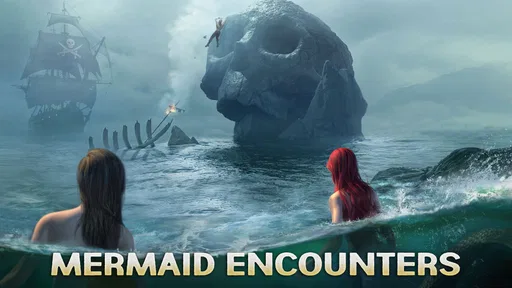

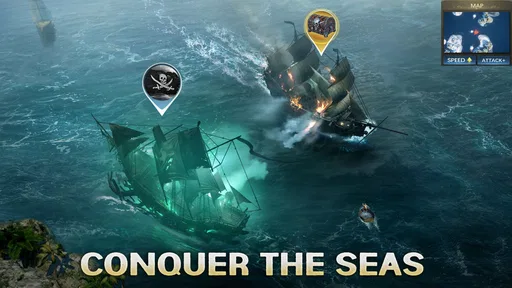
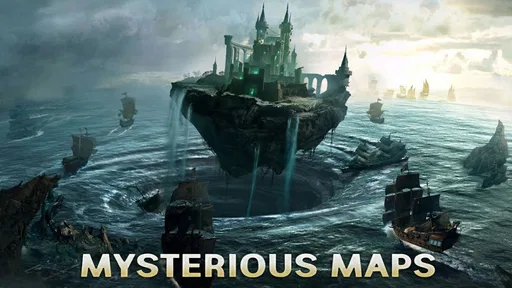
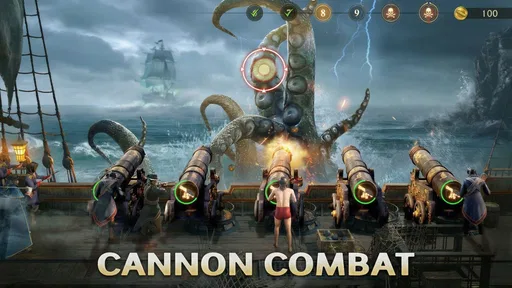
Our Review of Guns of Glory: Survival
 Analysis by Appyee
I spent time with Guns of Glory: Survival as a strategy game and came away with a clear impression: it is built for players who enjoy making a plan, checking several systems at once, and returning regularly to improve a growing base and army. The setting gives the usual kingdom-building formula a pirate-era identity, but the real appeal is the steady decision-making rather than the theme alone. You are constantly weighing what to upgrade, which objectives deserve attention, and how aggressively to use limited resources.
That makes it a very different experience from a quick arcade game. A short session can be useful, but the game is easier to appreciate when I treat it as a long-running project. I check progress, start a construction task, adjust my priorities, and leave with the next step already in mind. If you prefer strategy games that reward routine and patience, this one has a lot to offer. If you want a complete experience that can be finished in a few evenings, its structure may feel demanding.
How the current version feels to play
The current version is 13.25.0, and that matters because a mature strategy game can feel very different from its early release. Guns of Glory: Survival launched on December 24, 2017, and its continued presence suggests a game designed to evolve rather than deliver one fixed campaign and end. I found that the best way to approach it is to think in layers: immediate tasks, medium-term development, and longer-term competition.
At the immediate level, I look for actions that keep the settlement moving. An upgrade that takes time should usually be started before I leave the game, while shorter tasks are better suited to a quick check during the day. This simple habit prevents idle periods and makes the game feel more efficient without requiring me to play constantly. It is one of the first practical lessons I would give a new player: do not spend resources just because they are available; spend them when the timing supports your next objective.
The medium-term layer is where the strategy becomes more interesting. Improving one part of the settlement can make another requirement more urgent, and a player who upgrades without a plan can quickly end up with several unfinished priorities competing for attention. I prefer choosing one main development goal, then keeping enough resources available for the supporting tasks around it. That approach feels slower at first, but it produces fewer frustrating pauses.
The longer-term layer is connected to the social and competitive side of the game. Strategy titles in this style are rarely only about building in isolation. The surrounding player activity affects how valuable preparation feels, and it can change the meaning of a strong economy or a well-developed force. I enjoy that sense of a larger world, although it also means the game is not ideal for someone who wants every outcome to depend only on personal skill in a single session.
The game is free to play, with optional purchases ranging from $0.99 to $99.99 per item. I would not call spending essential for understanding the core loop, but the presence of purchases changes how I manage expectations. Progress feels most satisfying when I plan around the resources I have rather than treating purchases as a shortcut whenever something takes time. Players who are sensitive to timers or competitive pressure should decide on a personal spending limit before getting deeply invested.
The first hours are about learning priorities
New players may initially see a long list of tasks and assume that completing everything immediately is the right approach. In my experience, that creates unnecessary pressure. The better opening rhythm is to learn which actions unlock broader progress and which ones are merely convenient. I pay attention to requirements, future bottlenecks, and the order in which improvements become useful.
A useful everyday scenario is a commute or lunch break. I can open the game, collect completed work, begin a longer upgrade, review available objectives, and close it again without losing the value of the session. Later, I can return for a more involved decision when I have time. This makes the game fit naturally into short visits, provided I am comfortable with progress that continues between active play sessions.
That rhythm also explains why the game may not suit everyone. Someone looking for constant tactical action could find the management periods too quiet. The interesting choices are often about preparation, timing, and allocation rather than immediate reflexes. Compared with a traditional turn-based strategy game, the experience is less about carefully resolving one battle at a time and more about maintaining a living strategic operation.
What the pirate setting adds
The maritime theme gives the game a recognizable personality. It is easier to remember a strategy project framed around ships, guns, and cursed seas than one presented as another anonymous medieval settlement. The theme also helps the game communicate its mood: expansion feels adventurous, while competition carries the sense of claiming influence in a dangerous world.
Still, I would not choose it solely for pirate atmosphere. The underlying appeal is the management loop, and players who dislike resource planning will not suddenly enjoy it because the setting has sails and cannons. The theme works best as a layer that makes familiar strategy tasks more inviting. It gives context to the decisions, but it does not remove the patience those decisions require.
One subtle strength is that the setting makes long-term progress feel like a voyage rather than a checklist. I can frame a development goal as preparing for the next stage of expansion, then use smaller upgrades as part of that route. This personal framing helps avoid the feeling that I am simply tapping through unrelated buttons. It is not a mechanical feature, but it changes how approachable the progression feels.
Progression, planning, and the cost of convenience
The most important skill in Guns of Glory: Survival is not memorizing every option. It is learning to recognize which decision will limit the next one. When I spend too freely on a minor improvement, I may delay a more meaningful upgrade. When I focus only on growth, I can neglect the preparation needed to protect that growth. The game rewards players who think one or two steps ahead.
I recommend keeping a simple mental queue: the current task, the next requirement, and the resource that is most likely to hold everything back. This prevents a common mistake in base-building games, where a player collects several small rewards and immediately spends them without considering the next major threshold. I also try to avoid changing direction too often. Constantly switching goals feels active, but it usually produces a less coherent settlement.
Another useful habit is separating “progress” from “activity.” Not every available action improves the account equally. Some tasks are valuable because they advance a key requirement; others are useful only when they fit around that priority. Once I began judging actions by their place in a plan instead of by how quickly they could be completed, the game felt less cluttered and more strategic.
That distinction is especially helpful for players who can only check in a few times a day. A short session should have a purpose. I might begin a long process before work, handle quick collections during a break, and make a larger strategic decision in the evening. This workflow reduces the temptation to spend simply to keep the screen busy.
Playing without turning every delay into a purchase
Because the game is free to download and includes in-app purchases, the relationship between time and convenience deserves honest attention. Waiting is part of the design of this type of strategy game. I can accept that when I use the waiting period to plan, but it becomes irritating when I start treating every timer as a problem that must be removed.
My practical advice is to reserve purchases, if you make any, for moments that genuinely improve your enjoyment rather than moments of impatience. A player who spends without a clear goal can gain speed but lose the satisfaction of making careful choices. Someone who wants a completely uninterrupted pace may prefer a premium strategy game with a fixed price, even if it offers less of this ongoing world.
The trade-off is not simply free versus paid. Guns of Glory: Survival offers the convenience of starting without an upfront cost, while a premium alternative may offer a more predictable progression model. Neither approach is automatically better. I would choose this game when I enjoy gradual development and can set boundaries around spending; I would choose a paid alternative when I want the rules of progression to remain stable from the beginning.
Social strategy changes the meaning of preparation
The broader strategy environment is important because a well-developed base is not only a personal achievement. Other players, shared objectives, and competition can make timing more significant. I found that preparation is more valuable when I think beyond the next upgrade and consider whether my overall position is becoming stronger or merely busier.
This is where the game can feel rewarding for organized players. A person who enjoys coordinating plans, checking progress, and supporting a larger group may find more depth than someone who plays only for individual rewards. The opposite is also true: if you dislike social expectations or do not want your progress influenced by a wider player community, the competitive layer may feel like an obligation rather than a reason to return.
I would not recommend joining every available activity immediately. It is better to understand the basic rhythm first, then decide how much social involvement suits you. This is a non-obvious advantage of taking the early game slowly: you can learn what kind of player you are in this environment before committing your time to a demanding routine.
How it compares with familiar strategy games
Compared with a classic turn-based strategy title, Guns of Glory: Survival is more persistent and schedule-oriented. In a turn-based game, I can usually pause between decisions and know that the next move will wait for me. Here, development can continue while I am away, so the challenge includes planning around real time. That makes it more convenient for brief check-ins but less satisfying for players who want every decision concentrated into a single uninterrupted match.
Compared with a purely casual city-builder, it asks more from the player. The pirate presentation may look approachable, but the long-term choices and competitive context give progress more weight. A casual builder is often comfortable as a relaxing decoration project; this game is better understood as a strategy commitment with a lighter, more adventurous surface.
Compared with a fast action game, it is obviously slower, but that does not mean it lacks tension. The tension comes from deciding what to improve, when to commit resources, and how much attention to give the larger strategic situation. I enjoy that kind of pressure, although I would not recommend it to someone who measures fun mainly by immediate movement and constant combat.
Its strongest comparison point is with other ongoing mobile strategy games that combine construction, resource management, and competition. Guns of Glory: Survival stands out through its nautical identity and its sense of a continuing campaign. It is not necessarily the best choice for someone seeking the deepest tactical combat, but it is a compelling option for a player who likes to build an advantage over time and return to a world that keeps developing.
Who should play and who should skip it
I would recommend it to players who enjoy planning around timers, improving a base in stages, and making progress through regular visits. It is also a good fit for people who like strategy games with a strong theme but do not need every session to deliver a complete beginning and ending. The free entry makes it easy to test the rhythm before deciding whether it deserves a place in your routine.
I would skip it if you want a self-contained campaign, dislike waiting, or find optional purchases distracting. I would also be cautious if you have little interest in competitive or social pressure. The game can still be played casually, but its long-term design is more rewarding when you are willing to think about the wider environment rather than treating it as a private building toy.
Age guidance places it at Everyone 10+, which is a useful signal for families considering it. I would still explain to younger players that free games with optional purchases require sensible boundaries. The important conversation is not only whether the theme is suitable, but also how to handle spending, screen time, and the temptation to accelerate progress.
What has changed over time and what to watch next
The release history gives the game a long runway, while the current version, 13.25.0, shows that the experience is being presented as an actively maintained product rather than an untouched launch build. I cannot treat a version number as proof that every part of the game has been transformed, but it does tell me that returning users should judge the present experience on its own terms instead of relying only on impressions from its earliest period.
For existing players, the most important effect of ongoing development is adjustment. Familiar routines may remain useful, but priorities can shift as the wider game changes. I would revisit my resource habits after an update, check whether my usual progression route still makes sense, and avoid assuming that an old shortcut remains the best choice. That mindset is more reliable than chasing every new possibility immediately.
New players benefit from entering without the burden of old expectations. The game has had time to establish its identity, but a mature strategy title can also feel dense because it has accumulated systems and goals. My recommendation is to learn the basic loop first, then expand your attention gradually. Trying to understand everything on the first day makes the game appear more complicated than it needs to be.
The remaining friction is mostly structural. Long-term progress asks for patience, and the free-to-play model means convenience and competition can sit close together. The interface may also feel busy when several goals compete for attention. I found that this becomes manageable once I choose a main objective, but players who want a cleaner, more immediately readable experience may prefer a smaller-scale strategy game.
When I look ahead, I would watch how future updates affect the balance between routine management and meaningful decision-making. The best direction would preserve the value of planning without making regular players feel forced into constant activity. I would also pay attention to whether new content deepens the pirate strategy identity or simply adds more tasks. More options are useful only when they create better choices rather than a longer checklist.
Guns of Glory: Survival has reached a convincing place for its audience: it is a persistent strategy game with a memorable setting, a free starting point, and enough long-term structure to reward careful players. Its weaknesses are equally clear. It can be slow, it can demand regular attention, and optional purchases may change how comfortable the pace feels. I enjoy it most when I approach it as a gradual voyage, not a race to finish everything.
The game has an average rating of 4.3 from around ten thousand ratings, with more than eight hundred written reviews, and it has passed half a million installs. Those figures suggest that the format has found a substantial audience, but they should not replace personal judgment. My own recommendation is simple: try it if you like persistent planning and can accept a measured pace. If you want instant action or a fixed, purchase-once experience, another strategy game will probably suit you better.
My final advice is to play deliberately: set a spending boundary, keep one clear development goal, and use short sessions to maintain momentum rather than forcing progress. With that approach, the game’s timers and layered systems become part of the strategy instead of constant obstacles. That is where I found its real charm: not in tapping through every available task, but in watching a careful plan gradually turn a vulnerable settlement into a stronger presence on the Cursed Seas.
Verdict
Strengths of Guns of Glory: Survival
- Strategic base building offers plenty of long-term goals.
- Regular events provide fresh challenges and useful rewards.
- Alliance features make cooperation and social play meaningful.
- Multiple troop types allow varied battle strategies.
- The game runs smoothly on many modern mobile devices.
Limitations of Guns of Glory: Survival
- Progress can feel slow without frequent play or resource spending.
- Large updates may consume considerable storage and mobile data.
- The interface can feel crowded for new players.
- Competitive rankings may favor highly active alliances.
- Some rewards and features require watching repeated advertisements.
Similar Picks in This Category
View All
Clash of Clans
Supercell4.5

Plants vs. Zombies™
ELECTRONIC ARTS3.7

Lords Mobile: Kingdom Wars
IGG.COM4.5

Clash Royale
Supercell4.4

State.io — Conquer the World
CASUAL AZUR GAMES4.1

Car Driving School : Car Games
Spark Game Studios3.9
Frequently Asked Questions
What is Guns of Glory: Survival about?
Guns of Glory: Survival is a strategy game that combines city building, resource management, hero development, and real-time combat. You construct and upgrade your base, train different types of troops, research technologies, and recruit powerful characters. The game also includes a survival-focused setting, alliances, competitive events, and battles against both computer-controlled enemies and other players.
Is Guns of Glory: Survival free to download and play?
Yes, Guns of Glory: Survival can generally be downloaded and played for free on supported Android and iOS devices. However, it uses optional in-app purchases for premium currency, resource packages, speed-ups, and other items. Progress is possible without spending money, but players who make purchases may develop their bases faster or gain advantages during competitive events.
Does the game require an internet connection?
Yes, Guns of Glory: Survival is primarily an online game and requires a stable internet connection for most of its features. Your progress, alliance activities, events, battles, and server-based content depend on communication with the game servers. It is therefore not a suitable choice if you are looking for a fully offline strategy game to play without mobile data or Wi-Fi.
Is Guns of Glory: Survival suitable for beginners?
The game is accessible to beginners because its early missions introduce construction, troop training, research, and hero upgrades step by step. Nevertheless, it becomes more complex as your settlement grows and competition between alliances increases. New players should follow the beginner tasks, protect their resources, join an active alliance, and avoid spending premium currency impulsively before understanding the upgrade system.
Are there ads or in-app purchases in Guns of Glory: Survival?
Guns of Glory: Survival may include promotional offers, reward-based advertising features, and optional in-app purchases, depending on the platform and current version. Purchases can provide resources, premium currency, construction boosts, and progression materials. While they are not strictly required, the game’s competitive multiplayer structure can make spending tempting, so parental controls and a purchase limit are recommended.
Play our best games!


